

Holding the Moon Portrait
Anonymous
Creator
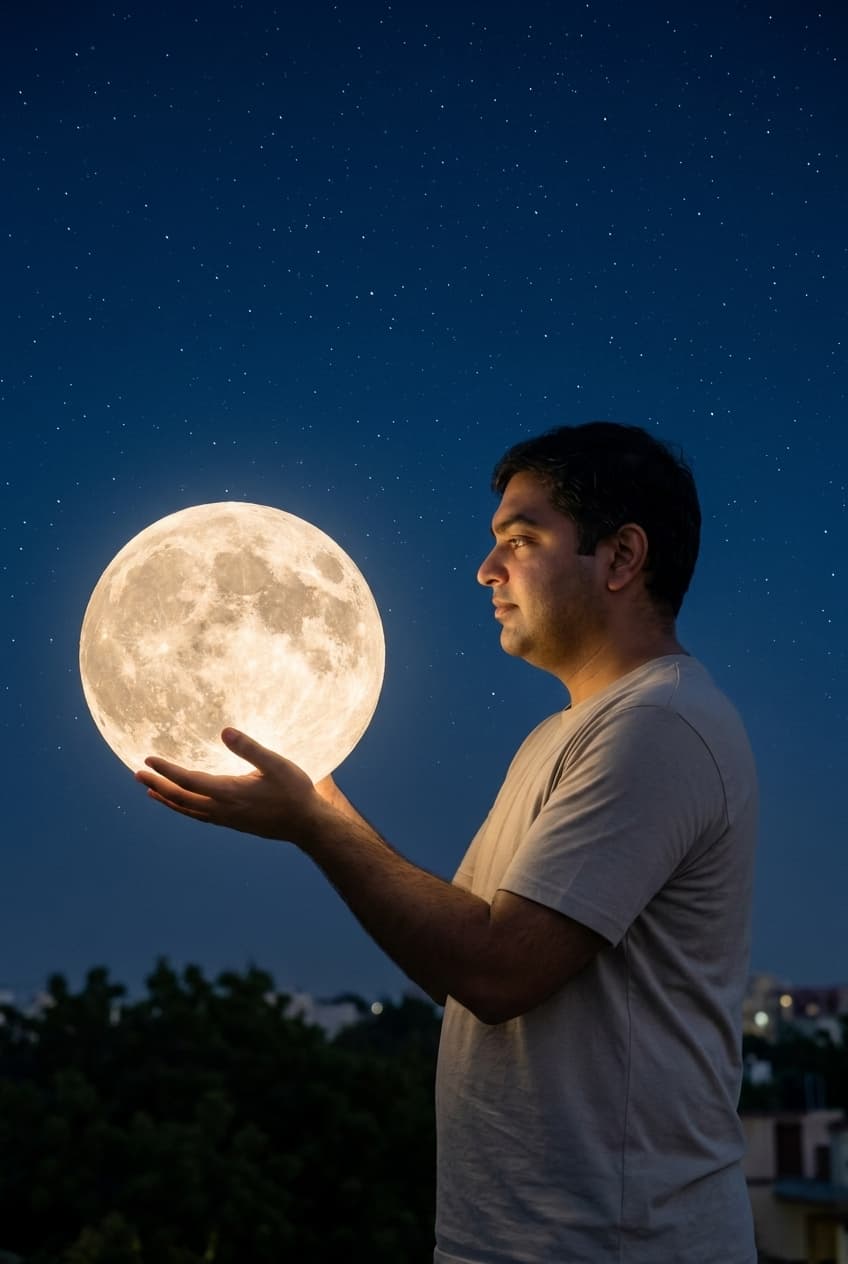
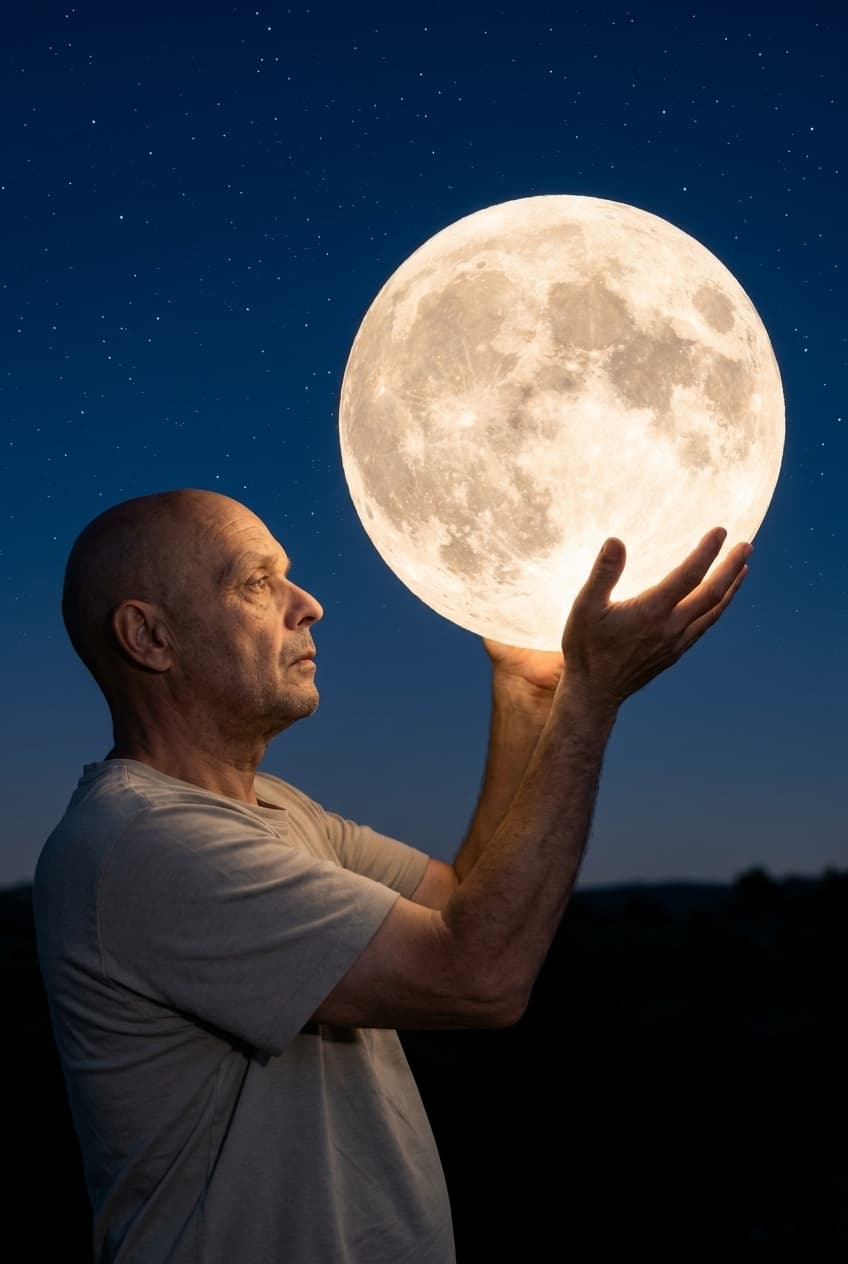
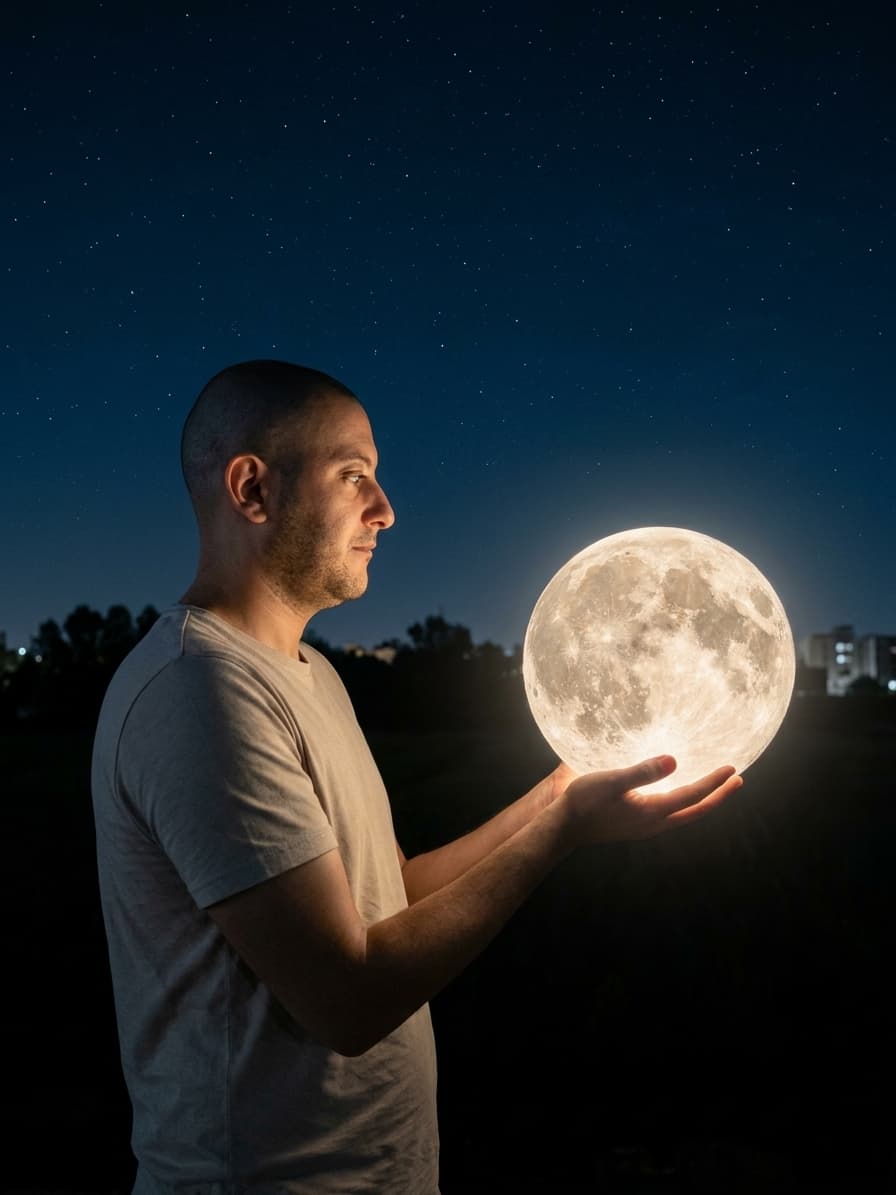
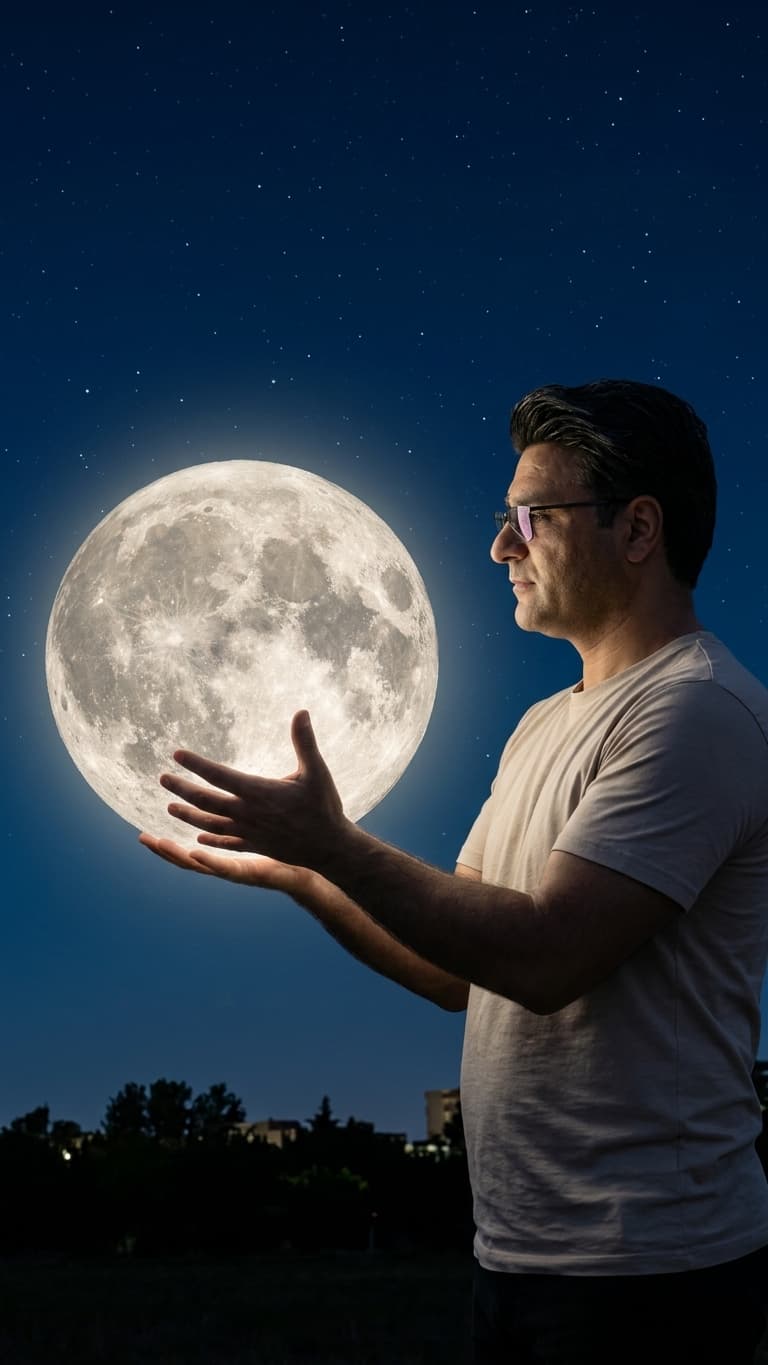
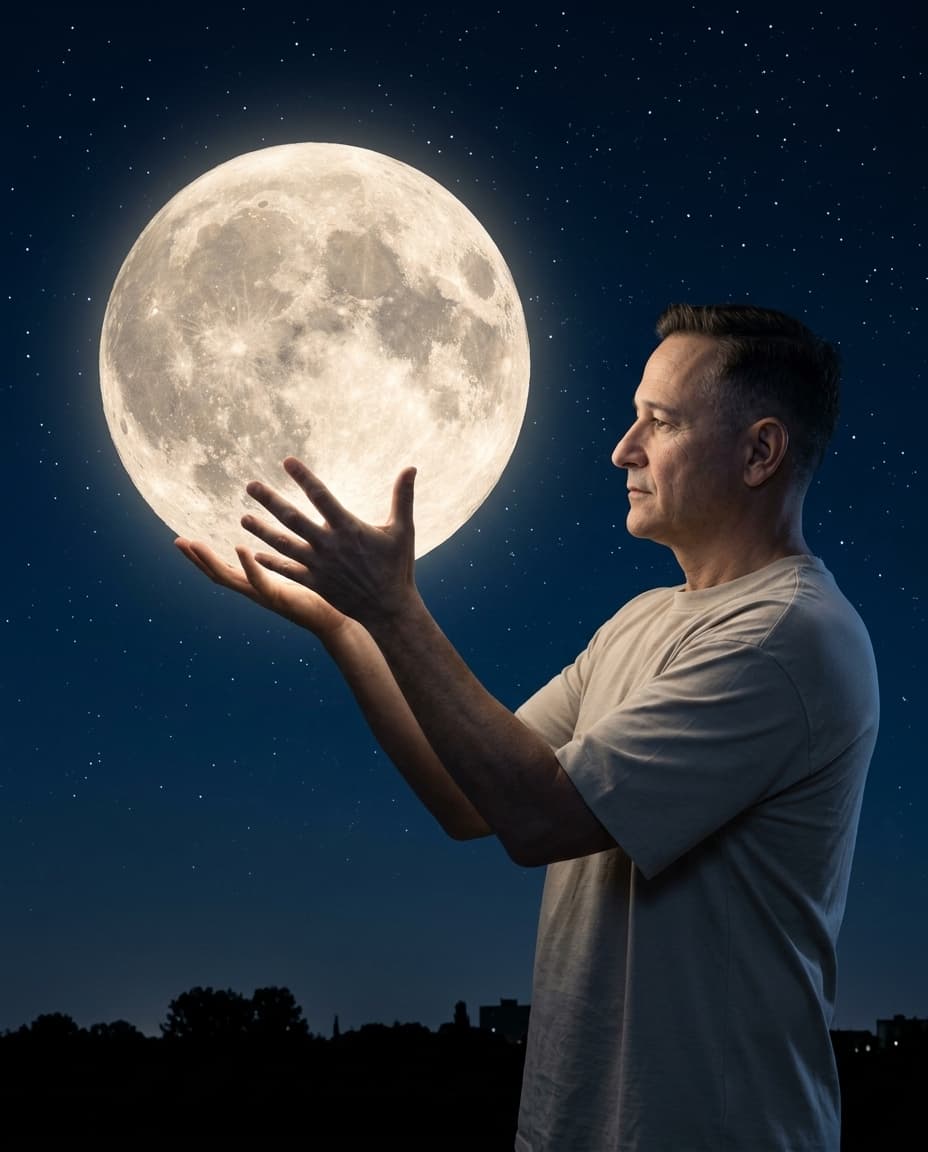
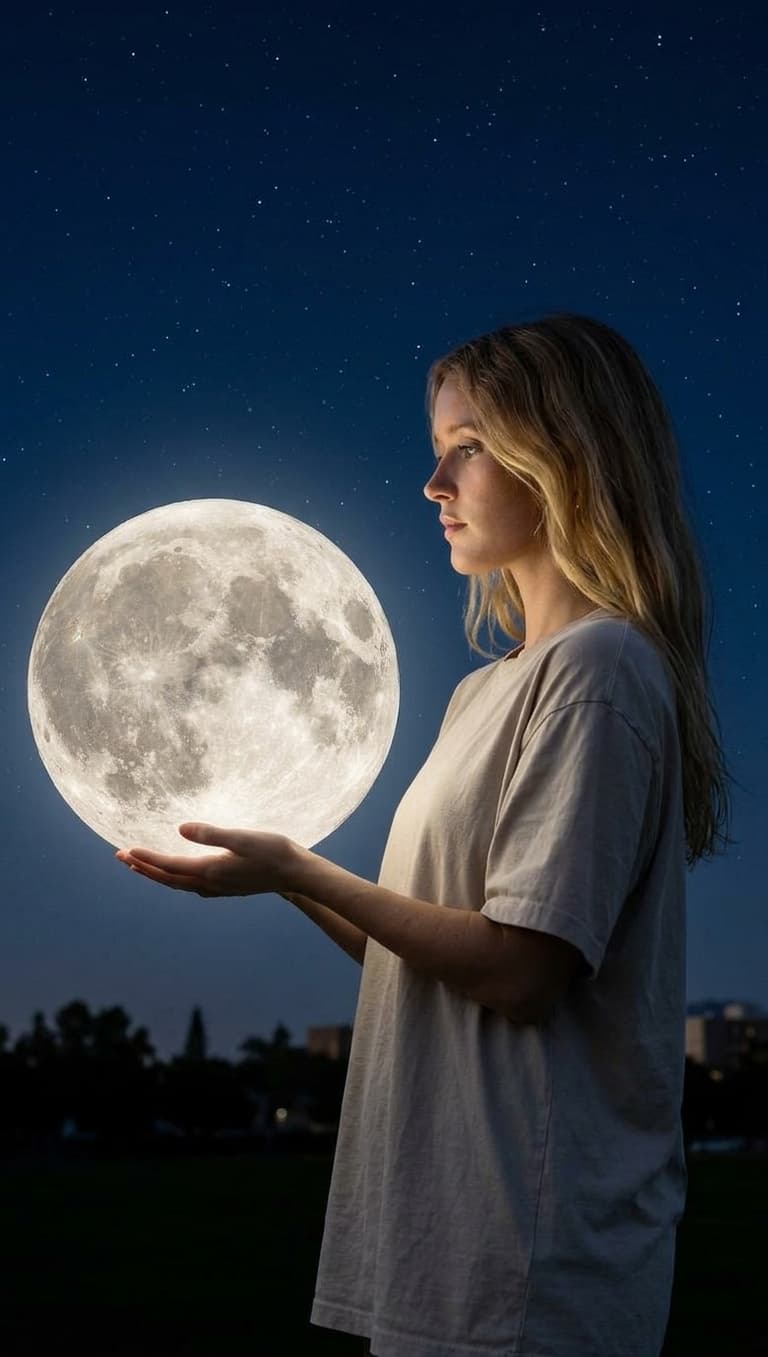
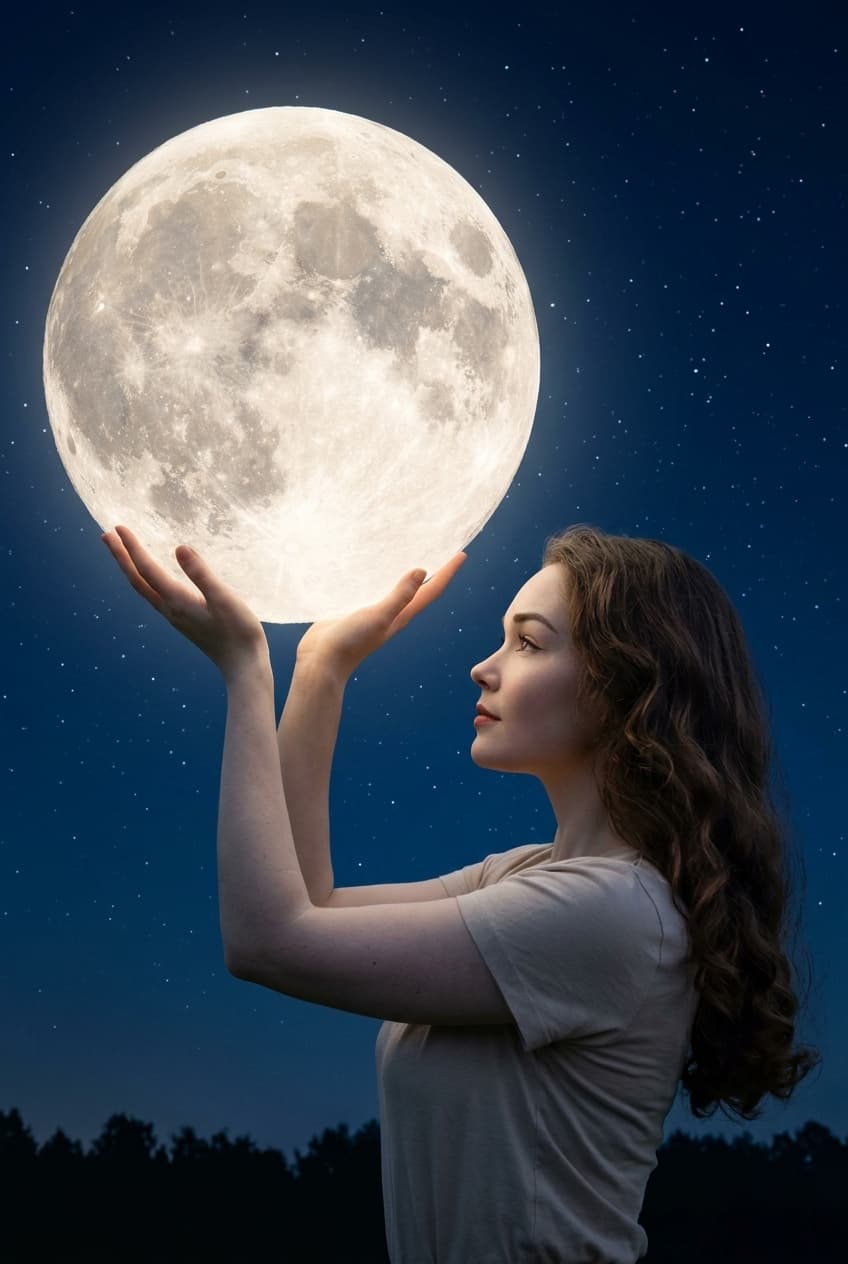
Upload an image of a subject to generate a portrait of them holding the moon. This prompt creates a fantastical, dreamlike image from your input.
Prompt breakdown
Prompt used to generate this image.
Variants
All Generations (27)
Holding the Moon Portrait
andycowley50
Holding the Moon Portrait
ghasem_zehni_a1e8
Holding the Moon Portrait
alexandr_a473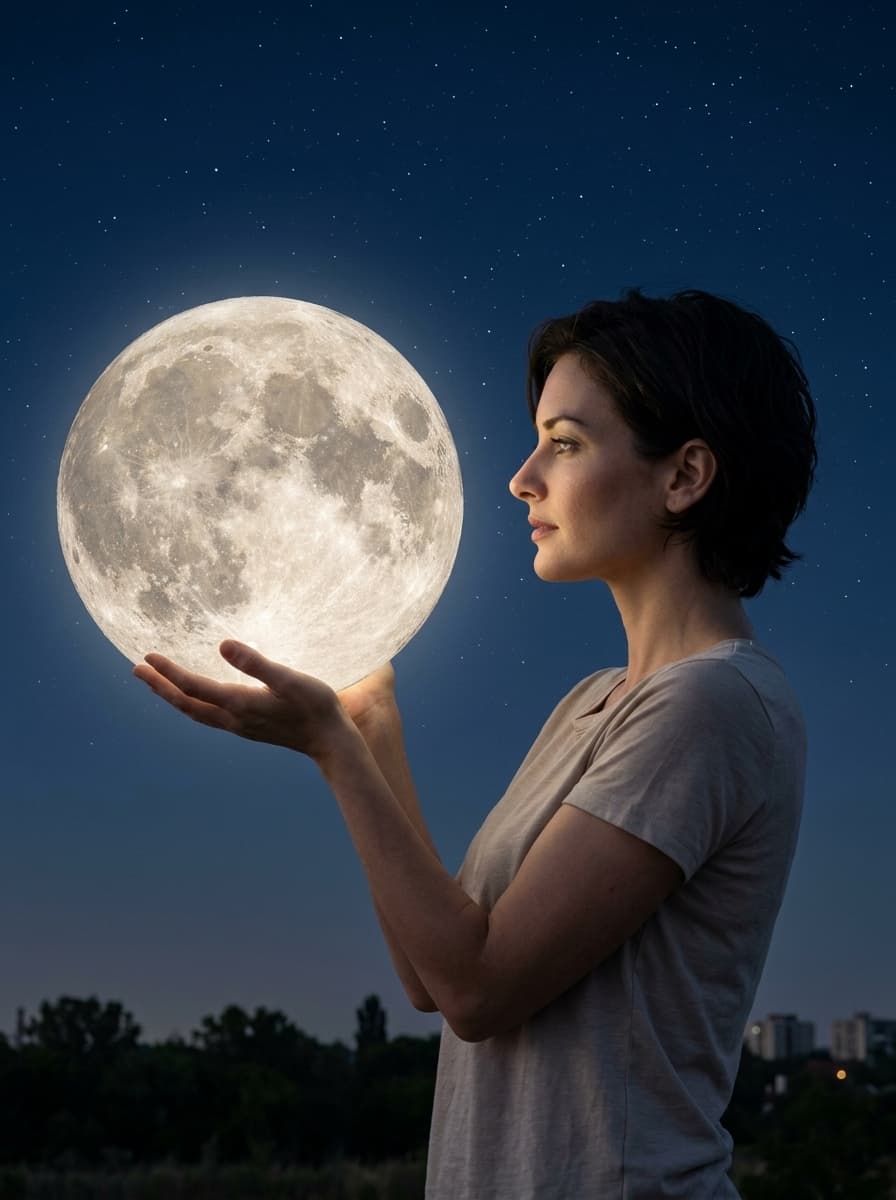
Holding the Moon Portrait
m_riyahi_3e76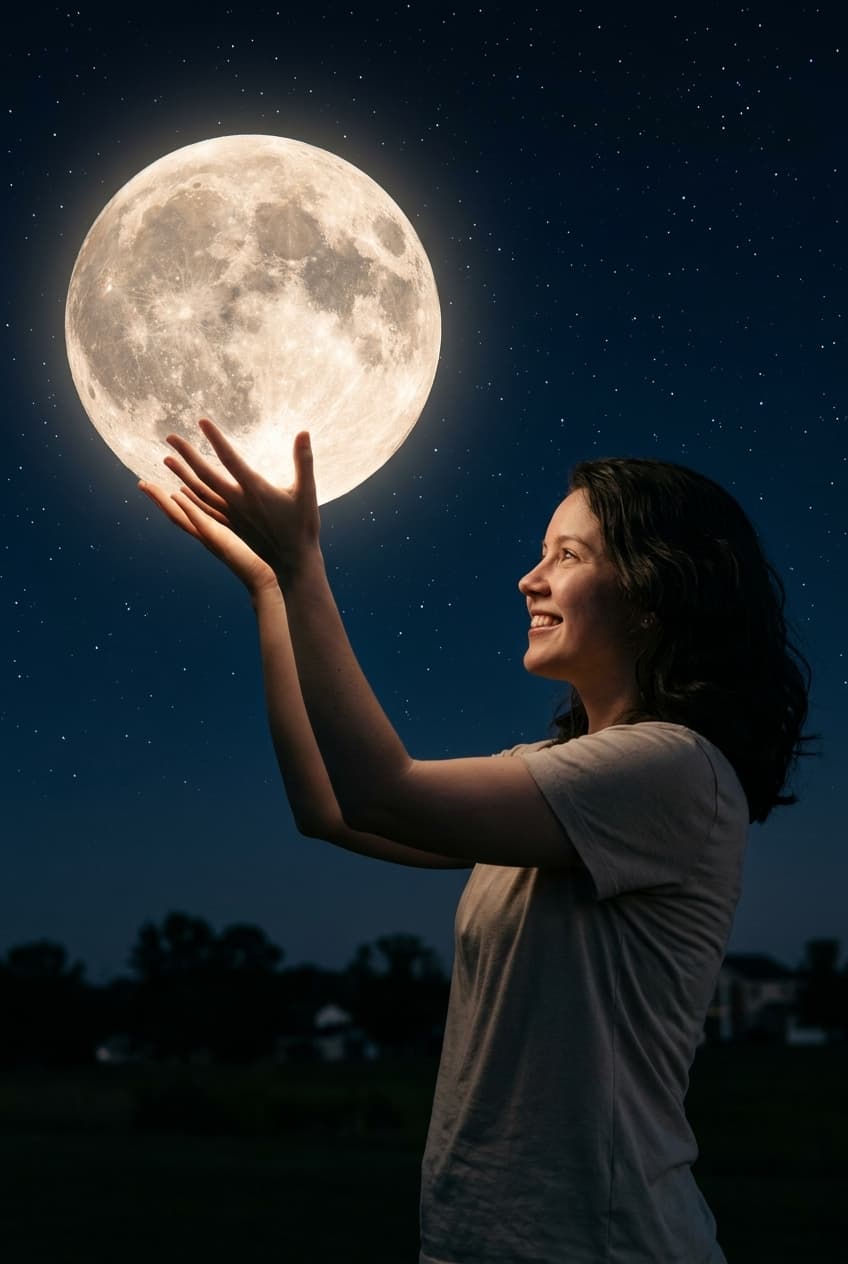
Holding the Moon Portrait
crea5i5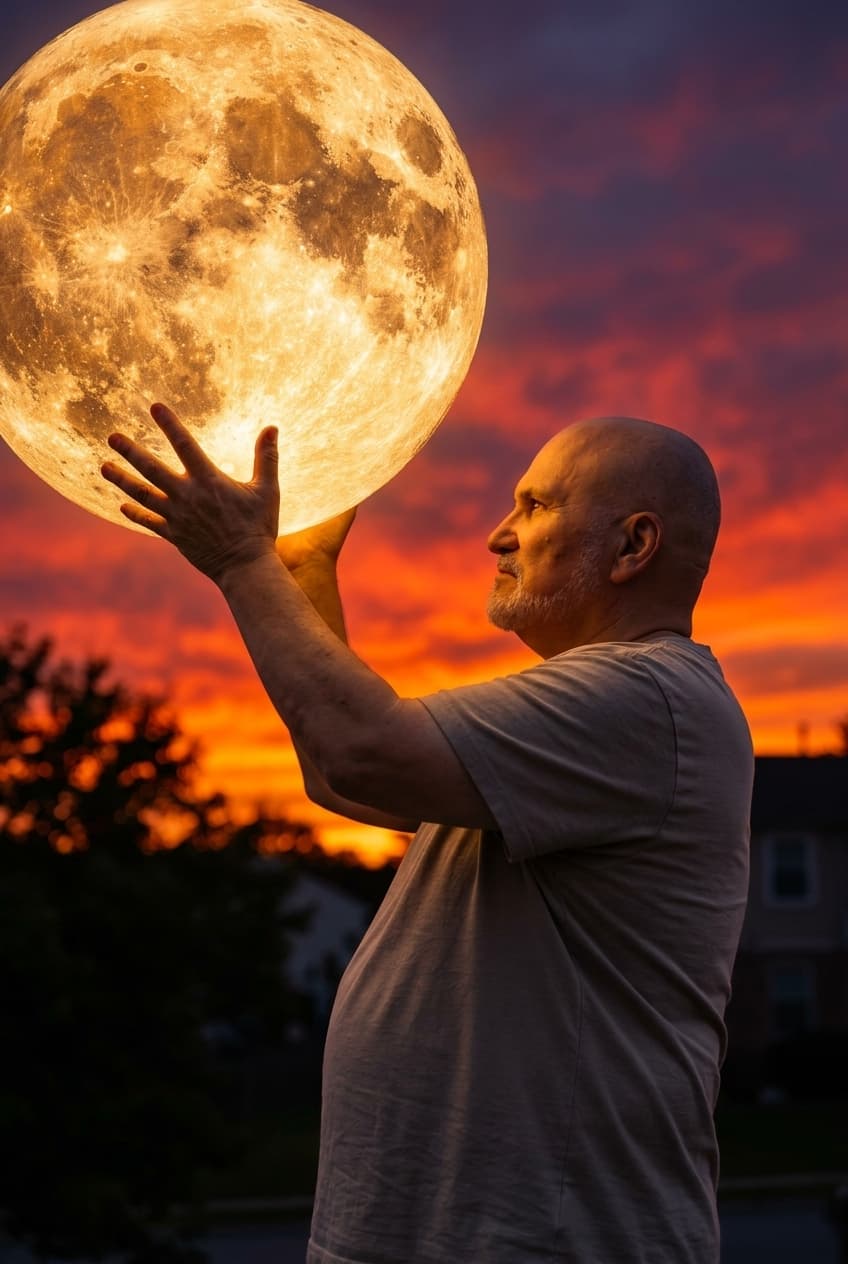
Holding the Moon Portrait
creator_a977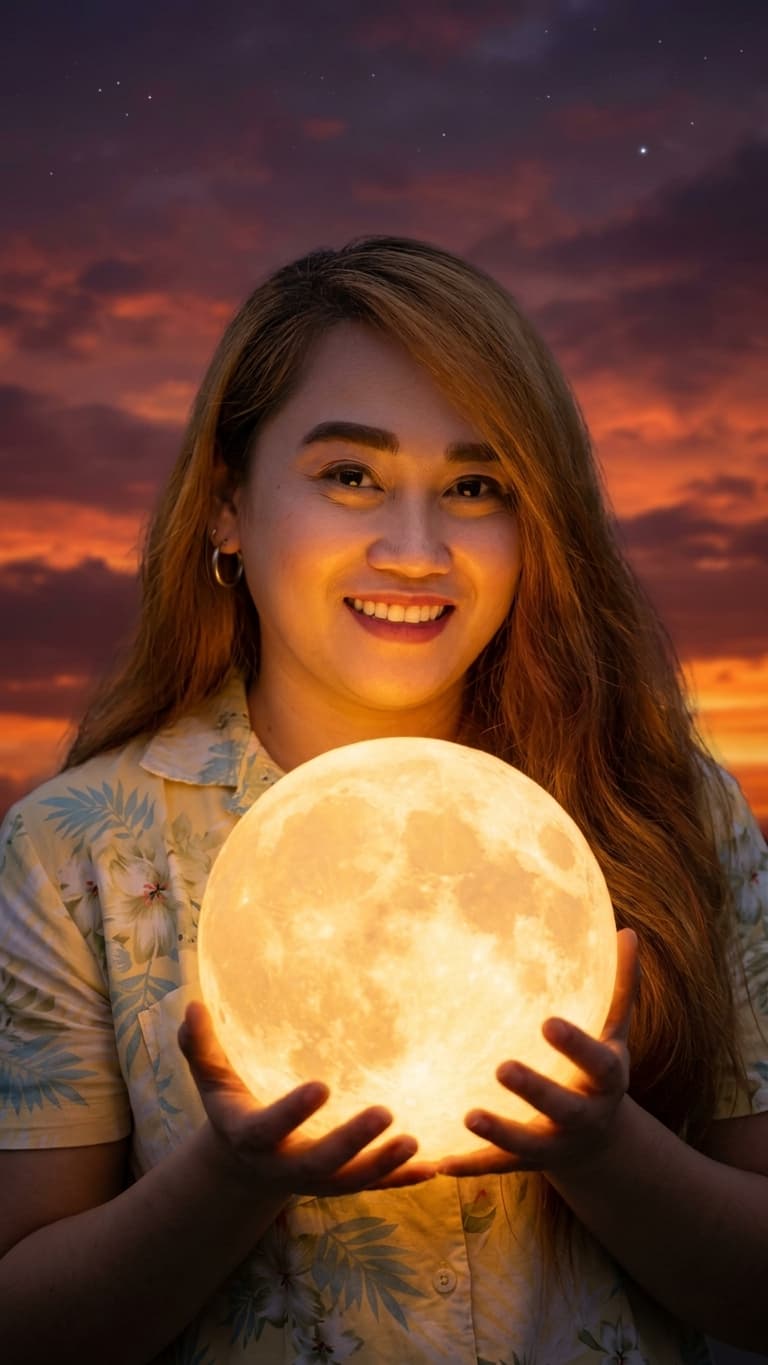
Holding the Moon Portrait
jon_bacalso_5d10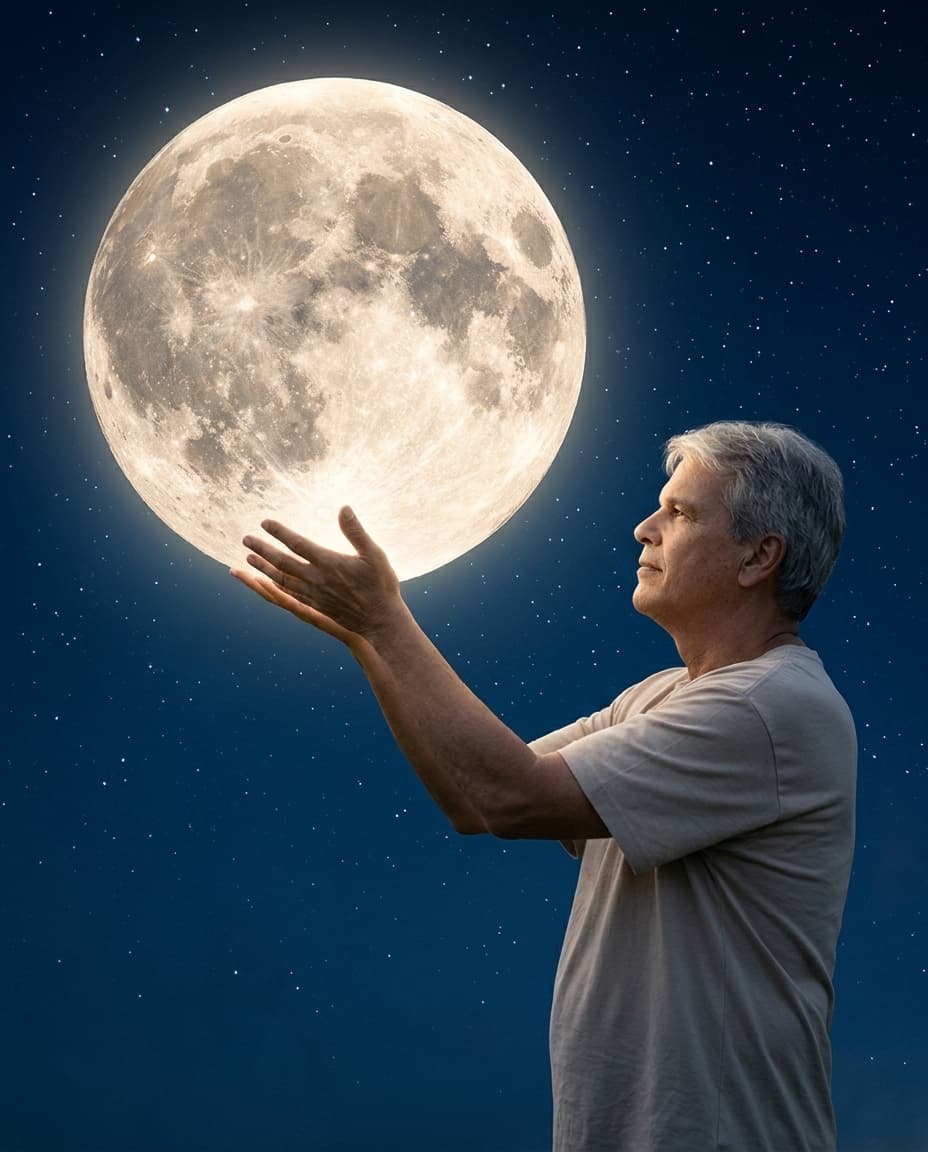
Holding the Moon Portrait
claudio_henrique_0479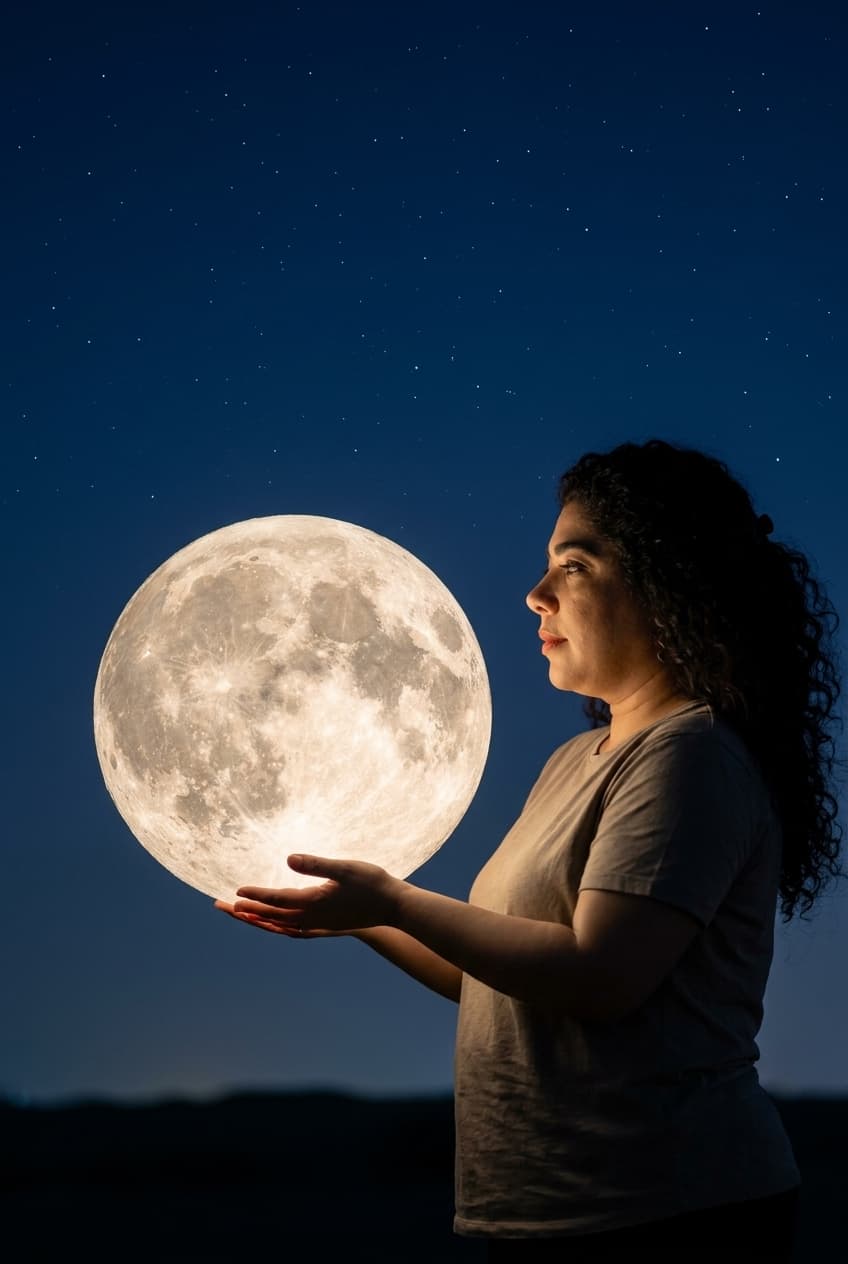
Holding the Moon Portrait
mohsen_kalhor_4442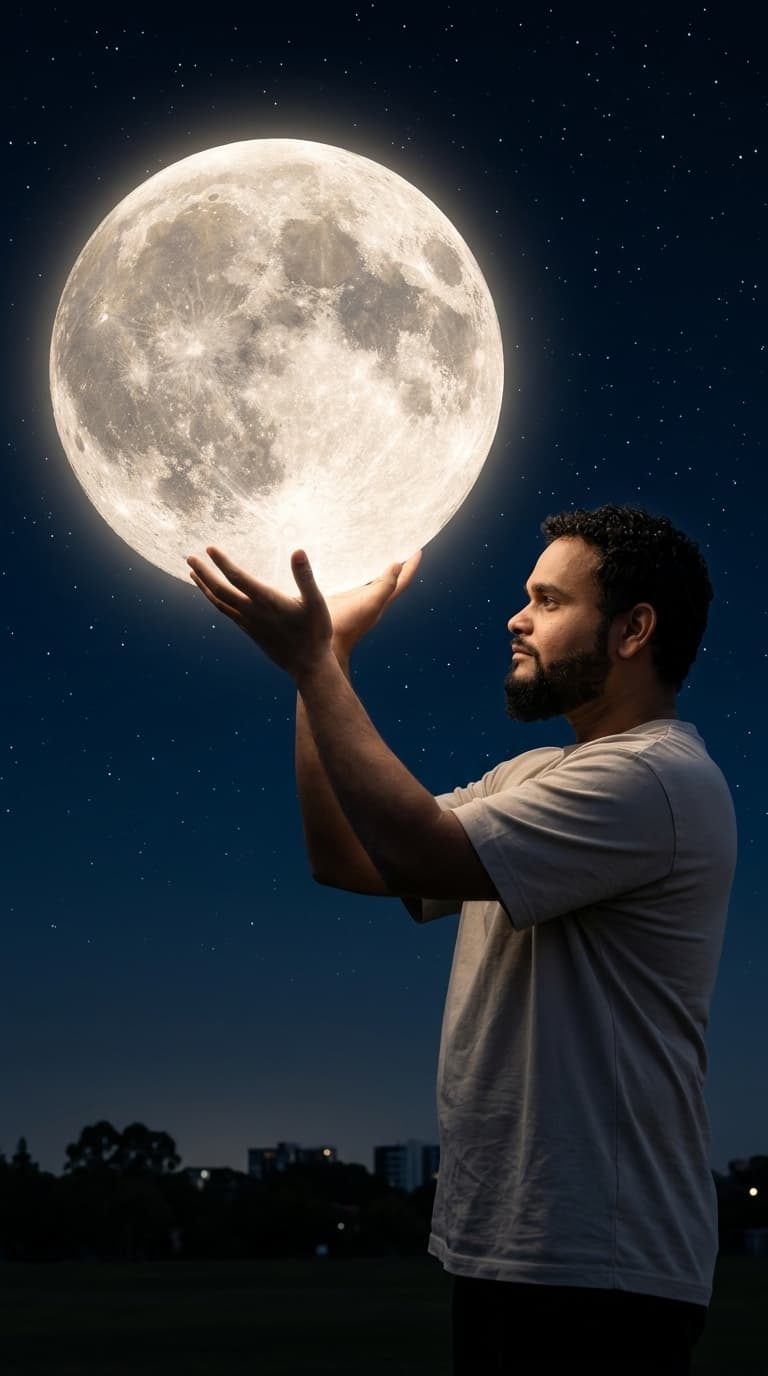
Holding the Moon Portrait
shahid_qureshi_0cd7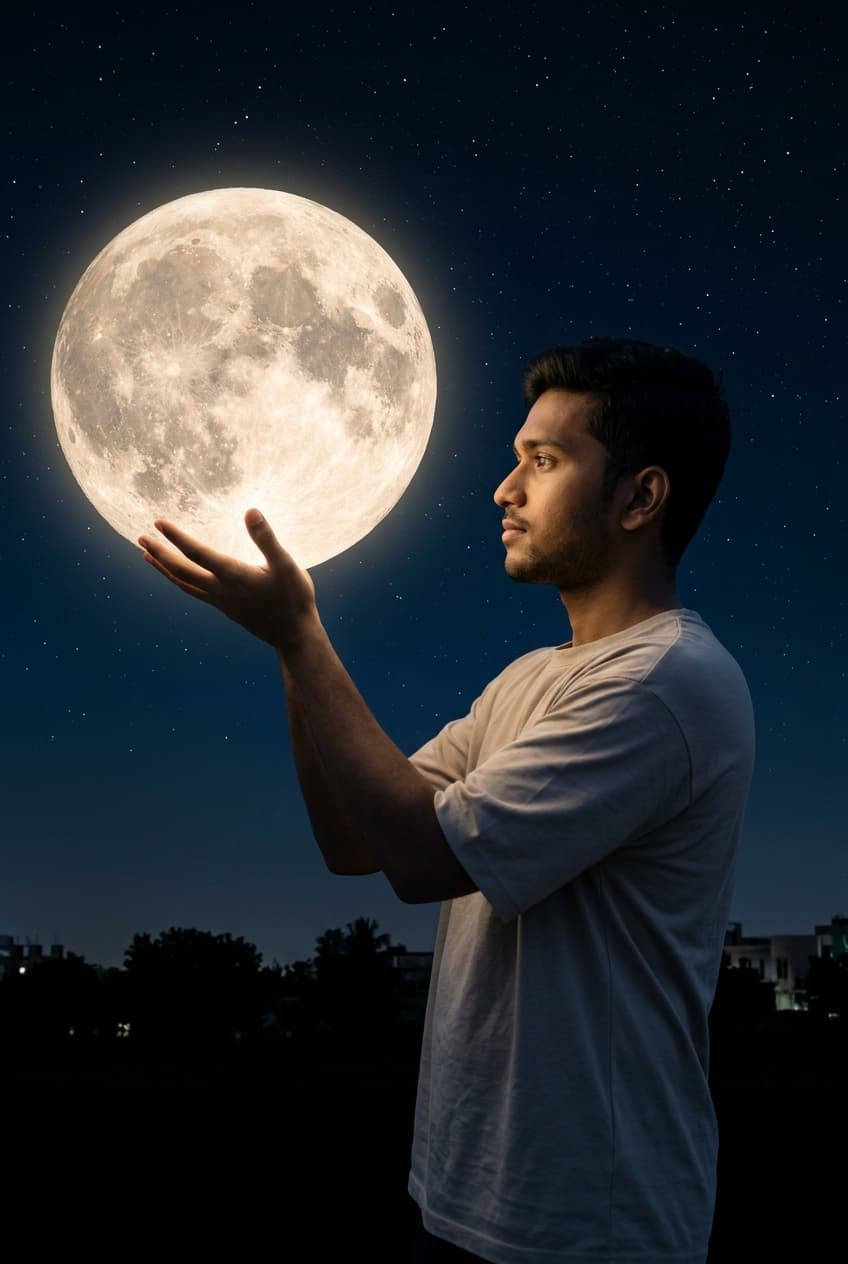
Holding the Moon Portrait
derek_santos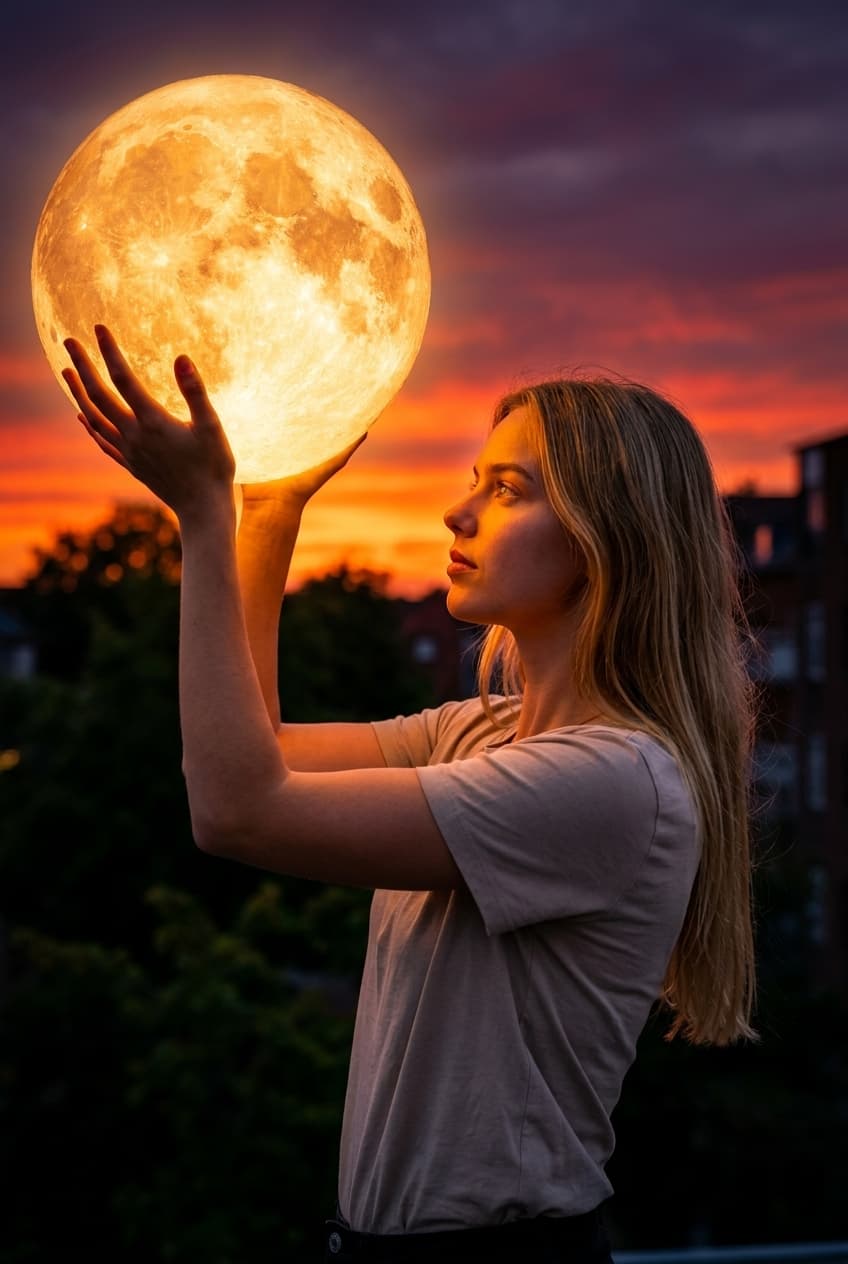
Holding the Moon Portrait
derek_santos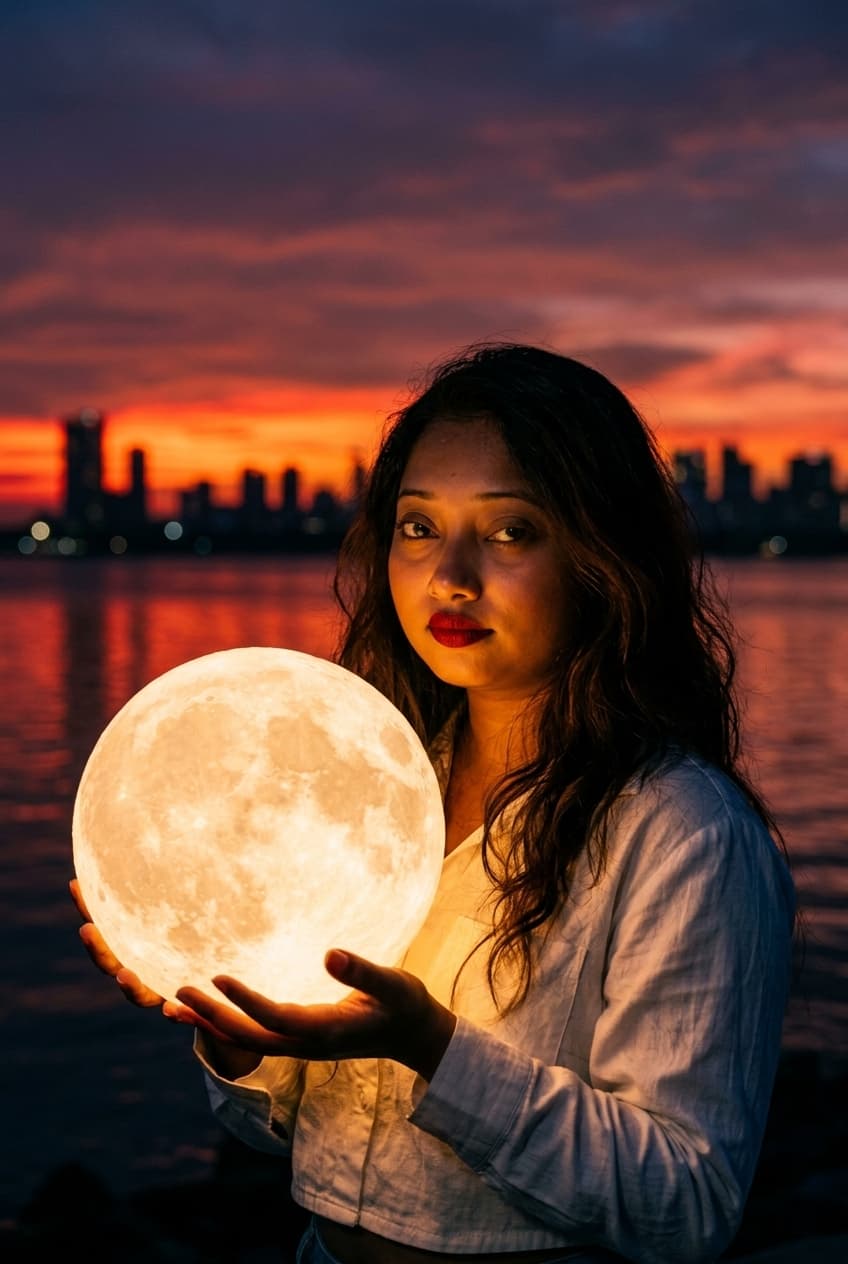
Holding the Moon Portrait
rajan_prajapati_c215
Holding the Moon Portrait
andycowley50



Explore more
Prompts in this styleFrequently asked questions
What is the Holding the Moon Portrait image-to-image prompt?
The Holding the Moon Portrait is a ready-to-run image-to-image prompt on PromptFrenzy. It's tuned for Nano Banana 2 (Gemini) and produces consistent results without manual prompt engineering. Type your inputs, hit Generate, and the AI returns your result in roughly 30 to 90 seconds.
Can I customize the Holding the Moon Portrait?
Yes — this prompt exposes 1 variable (subject) you can tune to your subject before running.
Does this prompt work with ChatGPT, Gemini, and Midjourney?
The default model for this prompt is Nano Banana 2 (Gemini). Most of our prompts can also be run against ChatGPT, Gemini, and Midjourney via the model picker — output quality varies by model, so it's worth comparing.
Is the Holding the Moon Portrait free to use?
Yes. Generation is free for the first batch of credits on every account, and you can browse and copy any prompt without paying. Paid credits exist for power users running heavy volumes.
How do I get better results from this prompt?
Lean into the variables: be specific where the prompt expects a subject, mood, or style. Vague inputs ("nice", "cool") produce vague outputs. If a variable accepts an image, use a clean, well-lit reference. Run two or three variations and keep the best.